





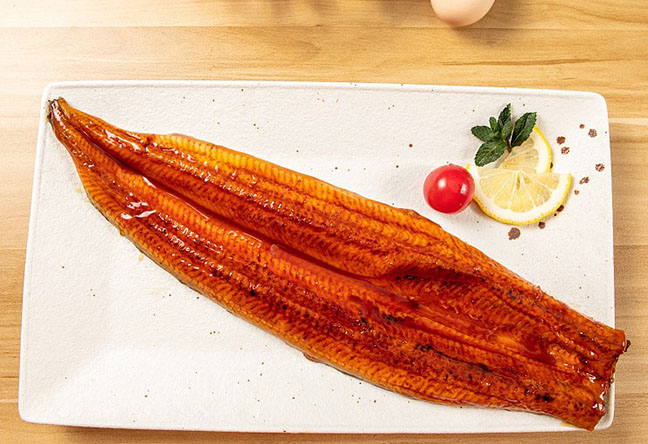
You lift a piece of glistening unagi kabayaki from its lacquered box. The aroma hits first—smoky, caramelized, impossibly rich. That first bite coats your tongue in something dark, sticky, and deep. Soy? Sugar? Mirin? Yes, but so much more. What's unagi sauce really made of, and why does it taste nothing like the teriyaki bottle in your fridge?
Unagi sauce, also called unagi tare or Japanese eel sauce, is a thick, sweet-savory glaze traditionally used to baste and finish grilled freshwater eel. At its core, it's a reduction of soy sauce, mirin, sugar, and sake—simmered slowly until it reaches a syrupy consistency. But what separates a premium tare from a generic sweet soy mix is the layering. In high-end eel restaurants, the sauce is never made fresh from scratch daily. Instead, a master pot of tare is continuously replenished, sometimes for years or even decades. Each new batch of simmered soy, mirin, and eel juices melds into the old, creating a depth of umami you simply can't replicate with a 10-minute pan sauce.
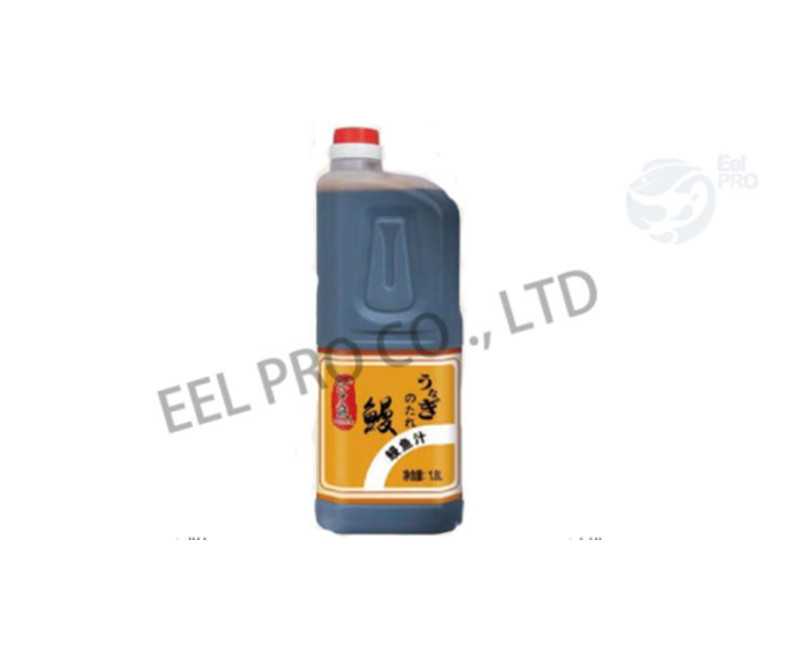
At Eelpro Co., LTD, we produce eel sauce that respects this tradition while meeting strict B2B export standards. Our recipe balances the four pillars: fermented soy richness, mirin's gentle sweetness, sake's aromatic complexity, and granulated sugar for body—no corn syrups, no short-cut thickeners. The result is a sauce with a Brix level above 68, giving it that signature cling and sheen, shelf-stable for global distribution.
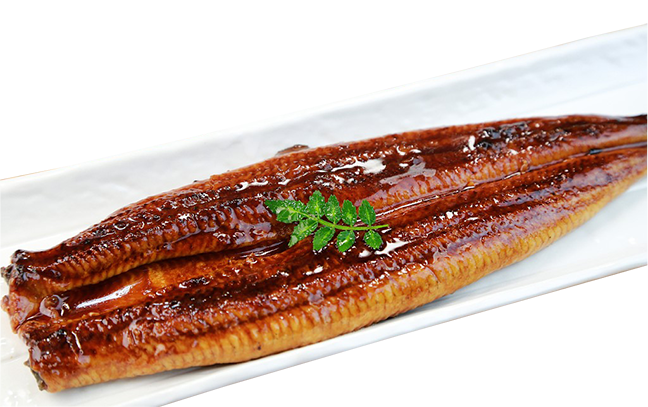
There's a common mistake—treating unagi sauce as "teriyaki's darker cousin." The unagi sauce flavor is distinctly more complex. It opens with a pronounced roasted sweetness, almost like a liquid brulee topping. Then comes the fermented saltiness, which is rounder and less sharp than straight soy sauce. Mirin contributes a subtle floral note, while the extended simmering introduces gentle bitterness—a critical element that prevents the sauce from becoming cloying. We've tasted dozens of commercial unagi sauces, and the ones that fall short are always one-dimensional: sweet, then salty, then nothing. A proper tare leaves a faint, lingering smokiness at the back of your throat, even if no smoke ever touched the bottle.
If you're sourcing for a restaurant or central kitchen, ask for a sauce where the amino nitrogen content is above 1.2%. This indicator correlates with true fermented umami, not just added MSG. Our kabayaki sauce article goes deeper into how we measure and ensure that depth.
Yes, the name says eel. But unagi sauce uses stretch across a global pantry. Let's break that down.
Here's where we see international buyers get creative. What foods pair well with unagi sauce? Our clients have shared some brilliant off-label uses:
For more recipe inspiration, see our eel recipes: 10 flavor pairings for menus—it's packed with ideas for menu developers.
This is the big one. How is unagi sauce different from teriyaki sauce? Visually, they can look similar—both are dark, glossy, soy-based. But once you taste them side by side, the gap is obvious. Here's the breakdown:
Teriyaki sauce often relies on white sugar or high-fructose corn syrup, giving a straightforward, clean sweet hit. Unagi sauce, because of its mirin base and long reduction, develops caramelized, almost molasses-like notes. It's a slower, deeper sweetness. Think of it as the difference between candy floss and a spoonful of dark wildflower honey.
Teriyaki can be thin, designed mainly as a marinade or quick glaze. Unagi tare is intentionally thick and syrupy—it needs to adhere to oily eel skin through multiple grill turns. If you dip a spoon in good unagi sauce and lift it, the sauce should fall in a continuous ribbon, not a drip. Our standard tare measures around 1,200-1,500 mPa·s at 20°C.
Teriyaki's umami comes primarily from soy sauce. Unagi sauce, especially traditional versions, often incorporates eel bones or eel cooking liquor during simmering, adding gelatin, minerals, and a profound savory backbone. While mass-market bottles skip this, artisanal and B2B export-grade sauces (like ours) can include these components, making the unagi sauce vs teriyaki distinction even starker.
| Aspect | Unagi Sauce (Tare) | Teriyaki Sauce |
|---|---|---|
| Sweetness source | Mirin + caramelized sugar (deep) | White sugar or corn syrup (clean) |
| Texture | Thick, clinging ribbon | Thinner, often watery |
| Umami complexity | Fermented soy + eel reduction | Mainly soy sauce |
| Typical use | Finishing glaze, basting eel | Marinade, cooking sauce, glaze |
| Heat tolerance | Burns easily; short, high-heat finish | More forgiving for grilling |
| Aftertaste | Smoky, bitter-sweet linger | Clean sweet-salty finish |
Absolutely not. While its name ties it to eel, the sauce's balanced sweet-savory profile makes it a versatile condiment. Chefs across Asia and Europe now use it on everything from grilled octopus to roasted cauliflower. The key is to treat it like a concentrated glaze—a little goes a long way. If you need large-format packaging for non-eel applications, our eel sauce product page lists bulk sizes from 1.8L to 18L pails.
We covered the details above, but in one sentence: unagi sauce is thicker, more complex, and less sweet-forward, built for finishing rather than marinating. It's the difference between a chef's reduction and a convenience glaze.
Beyond the obvious eel, try it with grilled eggplant, pan-fried tofu, yakitori chicken, or even drizzled over avocado toast with furikake. Its umami amplifies fatty and smoky ingredients. For a full guide with step-by-step recipes, check out how to cook eel: easy methods and tips—many of those basting techniques work perfectly for other proteins too.
Commercial unagi sauce with a Brix above 68 and proper pasteurization is shelf-stable until opened. Once opened, refrigerate and use within 3 months. Always use a clean utensil—contamination introduces moisture and can cause fermentation. Cold knowledge: In Japan, some century-old restaurants never refrigerate their "mother tare" because it's replenished and boiled daily, maintaining sterility through constant high-heat cycling.
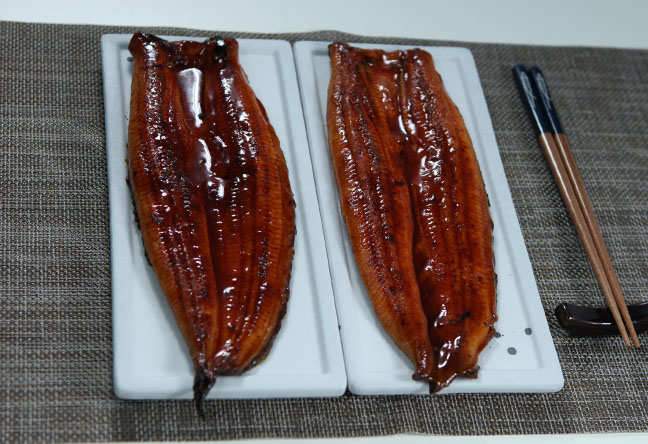
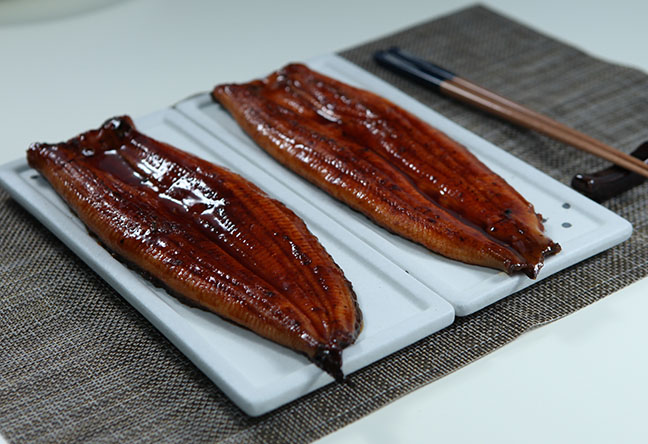
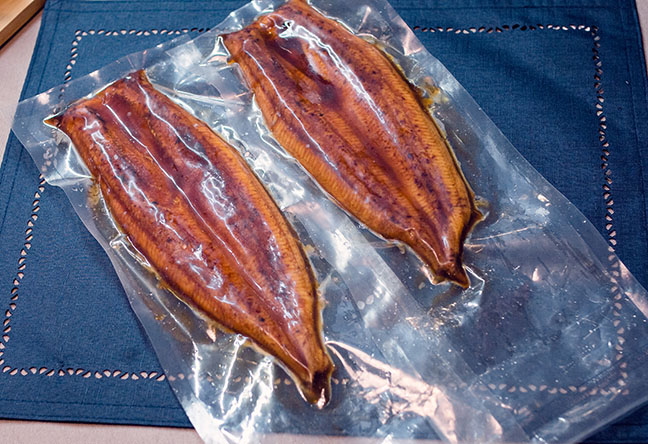
Whether you're a central kitchen chef, a seafood importer, or a curious home cook, understanding what's unagi sauce opens the door to countless dishes. At Eelpro Co., LTD, we've been perfecting our recipe for years—using real eel extract, slow-simmered soy, and a stubborn refusal to cut corners. You can browse our full range of unagi kabayaki eel paired perfectly with our tare, or explore our frozen seafood lineup for proteins that shine under that sticky glaze.
Still wondering which sauce format fits your menu? Or want to request a sample? Reach out through our product page. We'd love to hear about your dish ideas—maybe your next signature creation starts with a drizzle of authentic Japanese eel sauce.


 WhatsApp
 sales@chinaeels.com
 +8619937922411