





Unagi don is one of Japan’s best-known eel rice bowls: grilled freshwater eel, typically prepared as unagi kabayaki, served over hot steamed rice and finished with sweet-savory tare sauce. It looks straightforward, yet the combination of smoky eel, caramelized glaze, tender fish, and plain rice is what makes the dish so memorable.
For restaurants, food distributors, and importers, unagi don is also a practical menu choice. The main ingredients are familiar, preparation is easy to standardize, and the dish can be served in a bowl, a lacquered box, or as part of a larger Japanese set meal.
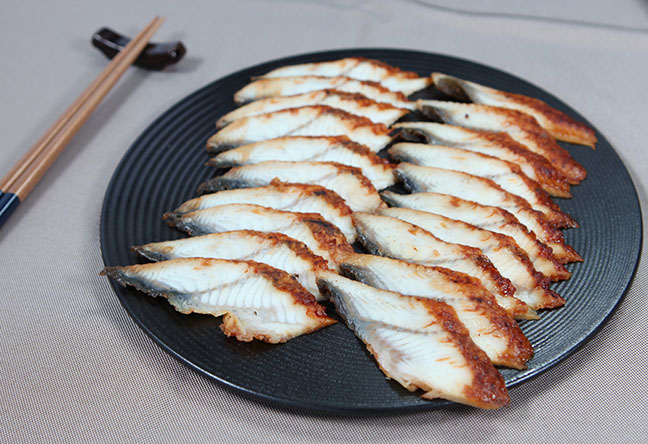
Unagi don, also called unadon or unagi donburi, combines two Japanese words. “Unagi” means freshwater eel, while “don” is short for donburi, a rice bowl dish. The eel is laid directly over rice, which sets it apart from unaju, where eel and rice are usually served in a rectangular jubako box.
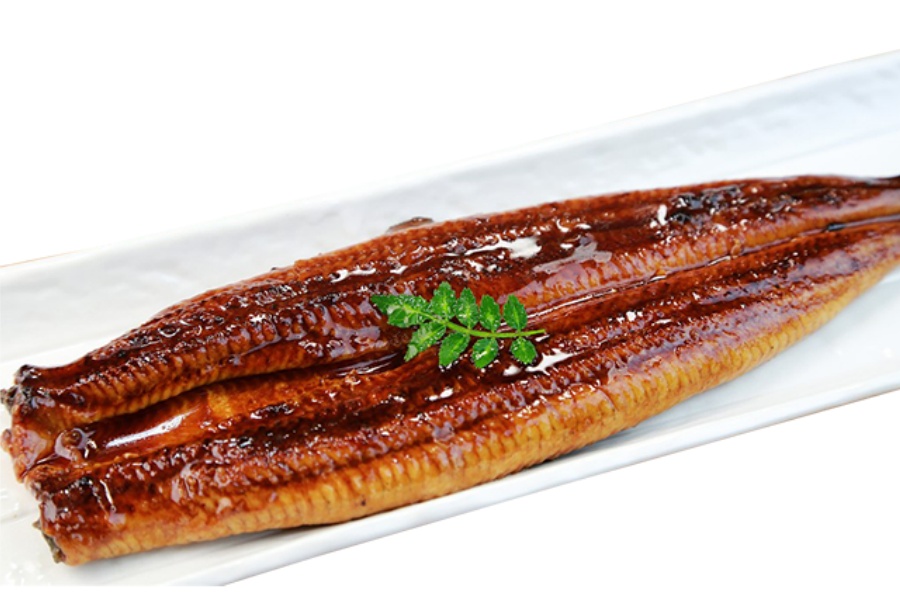
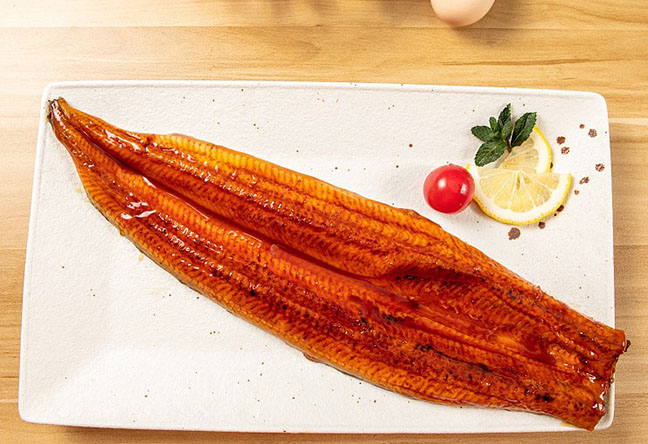
The eel is generally prepared using the kabayaki method. It is opened, boned, cut into fillets, grilled, coated with sauce, and grilled again. Repeated glazing allows the sauce to cling to the surface while the grill adds a lightly charred aroma.
Recipes vary by region and by restaurant. Some kitchens use a thicker sauce with a pronounced soy flavor, while others lean toward more sweetness or a lighter finish. The rice should be soft and warm, never wet. Short- or medium-grain Japanese-style rice is often chosen because it absorbs the sauce without becoming loose in the bowl.
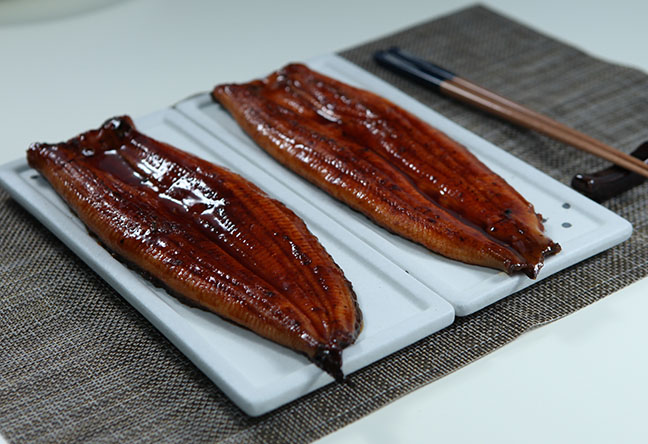
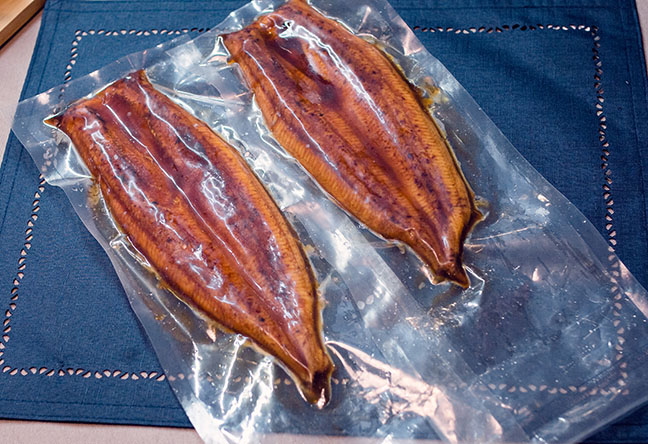
Unagi kabayaki is the centerpiece of the dish. Preparation removes the fine bones that would otherwise make the eel difficult to eat. The finished fillet is soft and tender, with a dark, glossy surface created by grilling and sauce.
For foodservice operations, frozen kabayaki can support consistent portions while reducing prep time. Fillets can be thawed under controlled conditions, heated through, and finished with additional sauce before service. Always follow the product’s storage and heating instructions, as fillet sizes and packaging formats may vary.
Rice is more than a base. It balances the rich flavor of the eel and sauce. Serve it hot and freshly cooked whenever possible. A typical bowl should contain enough rice to support the eel without burying it; the exact portion will depend on menu pricing, fillet size, and your target customer.
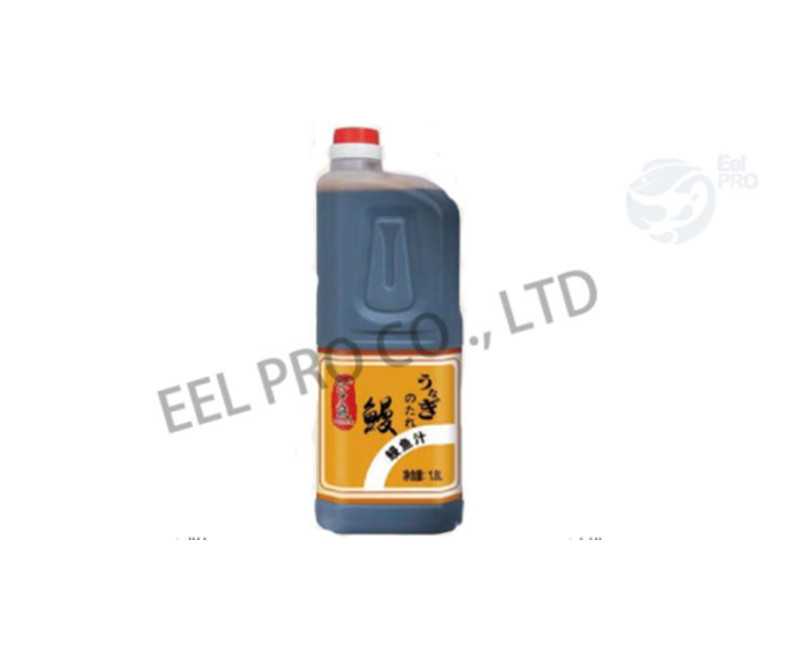
The sauce, often called tare, usually contains soy sauce, mirin, and sugar. It is reduced until slightly thick, so it coats the eel evenly. The result is salty, sweet, and rich, with a subtle fermented note from the soy sauce.
Restaurants can brush sauce over the eel during grilling and add a small amount to the rice. Too much can make the bowl feel heavy and cover the eel’s flavor. If you are comparing formulas, our eel sauce product range is designed for eel bowls, sushi, grilled seafood, and similar applications.
Traditional preparation begins with an eel fillet over the grill. The cook heats the surface, brushes on tare, then grills it again until the glaze turns glossy. When using frozen prepared fillets, the process is quicker: thaw according to package guidance, heat the eel thoroughly, and apply a final brush of sauce before plating.
On a restaurant serving line, consistency matters. Use the same rice scoop, fillet weight, and sauce quantity for each order. A simple assembly sequence works well:
Sansho is a classic pairing. Its citrus-like aroma and mild numbing quality cut through the eel’s richness. Some restaurants also serve Japanese pickles, clear soup, or a small salad on the side. A half-portion bowl works well for lunch sets, while a larger fillet suits a main-course dinner menu.
There is no single required method, but understanding how to eat unagi don helps highlight the intended balance of the dish. Start with a bite of eel and rice together. You get the soft texture of the fish, the sweetness of the tare, and the clean taste of the rice in one mouthful.
Next, try a bite with a little sansho pepper. The spice should add fragrance rather than take over the bowl. If pickles or soup are served, alternate them with the eel and rice to refresh your palate.
Some diners divide the bowl into sections and add toppings gradually. Others mix the sauce into the upper layer of rice. Both approaches are perfectly acceptable. For tasting menus or premium service, offer toppings separately so guests can adjust each bite to their preference.
Unagi don works across several menu formats. A casual restaurant may serve a standard rice bowl with one fillet. A Japanese izakaya can offer smaller portions alongside grilled dishes. Hotels and catering operations may use prepared kabayaki in set meals where speed and portion control are especially important.
When evaluating an eel supplier, ask about fillet sizes, glazing, packaging, frozen storage, case quantities, and export documentation. These details shape both food cost and kitchen workflow. It is also useful to confirm whether the product arrives fully cooked or requires additional heating before service.
At Eelpro Co., LTD, we supply frozen unagi kabayaki, eel sauce, freshwater eels, and other frozen seafood for overseas buyers. We can discuss product specifications for restaurants, distributors, and importers instead of treating every order the same way.
For menu development, test the sauce beyond a single dish. Our article on kabayaki sauce explains how the glaze influences grilled eel and other applications. You can also explore our eel recipes for another practical use of prepared eel.
Unagi don is a Japanese eel rice bowl made with grilled freshwater eel, usually unagi kabayaki, served over steamed rice with tare sauce. It is also known as unadon or unagi donburi.
Take bites of eel and rice together, then add sansho pepper or pickles if served. The rice balances the rich eel and sweet-savory sauce. You can eat the bowl in sections or combine the toppings as you prefer.
Unagi don sauce is a tare glaze commonly made with soy sauce, mirin, and sugar. It is brushed onto the eel during grilling and may also be drizzled over the rice. Recipes differ in sweetness, thickness, and salt level.
Yes. Frozen prepared kabayaki is commonly used in foodservice because it can simplify storage, portioning, and kitchen preparation. Thaw and heat it according to the supplier’s instructions, then finish with tare before serving.
Unagi don relies on a few well-matched ingredients: tender grilled eel, properly cooked rice, and a sauce with enough sweetness and salt to bring everything together. If you are sourcing products for a restaurant or distribution business, contact Eelpro Co., LTD about frozen unagi kabayaki, eel sauce, freshwater eels, and frozen seafood for your market.


 WhatsApp
 sales@chinaeels.com
 +8619937922411