





Eel.sauce recipe is a sweet-savory glaze often served with unagi, rice bowls, sushi, and grilled seafood. A small misstep during cooking can leave it watery, overly salty, or sticky like candy. Fortunately, most texture issues can be corrected before the sauce reaches the plate.
Picture a warm bowl of rice, glazed unagi, and a dark sauce falling from the spoon in a slow, glossy ribbon. That is the result to aim for. This guide explains how to correct homemade eel sauce and achieve reliable eel sauce consistency for home cooking or foodservice preparation.
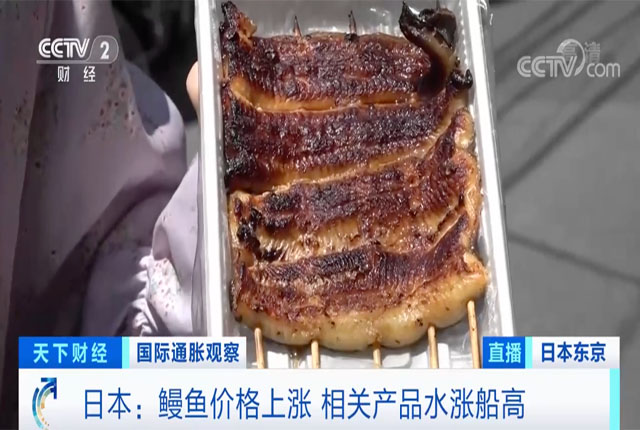
A good eel sauce, also called unagi tare, balances sweetness, saltiness, aroma, and body. It should lightly coat the back of a spoon while remaining fluid enough to drizzle over rice or brush onto grilled eel.
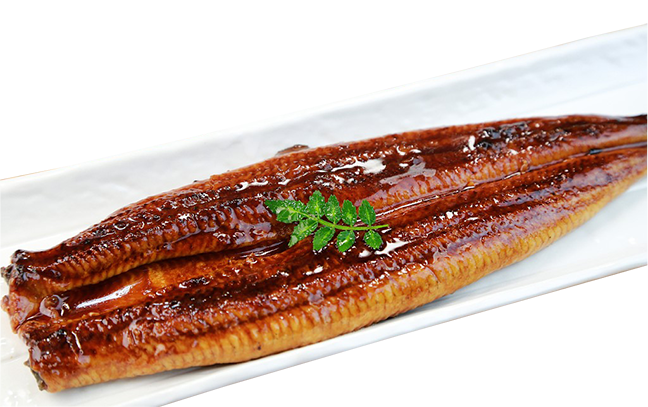
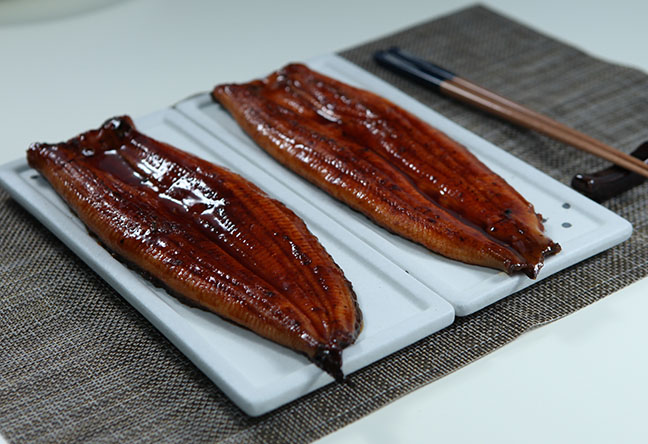
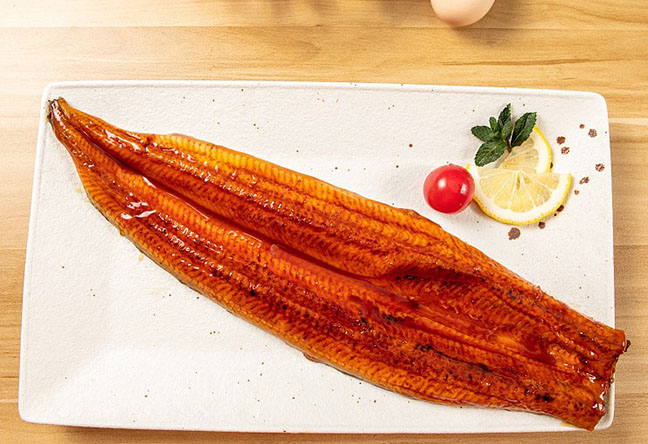
The sauce should appear dark and glossy. Its aroma should suggest soy sauce and caramelized sweetness without smelling burnt. On its own, it may taste intense. Paired with plain rice, fatty unagi, or grilled seafood, the flavor should feel rounded rather than aggressive.
In a restaurant kitchen, consistency matters as much as flavor. A sauce that is thin during one service and overly thick during the next can affect portion control, plating, and the eating experience. Set a clear target, then make adjustments gradually.
A practical homemade eel sauce often combines soy sauce, a sweet cooking wine or similar seasoning, and sugar. Some cooks also use a small amount of stock, mirin-style seasoning, or other flavoring ingredients. The exact formula may vary, but the cooking method has a major effect on the final body.
Do not judge the sauce as soon as it comes off the heat. Hot sauce flows quickly. As it cools, the sugar and reduced liquid give it more body. A sauce that looks slightly loose while warm may be just right after cooling.
Use a wide saucepan when possible. The larger surface area can help water evaporate steadily. A narrow pot can work as well, but it may require more patience and closer attention to keep the bottom from catching.
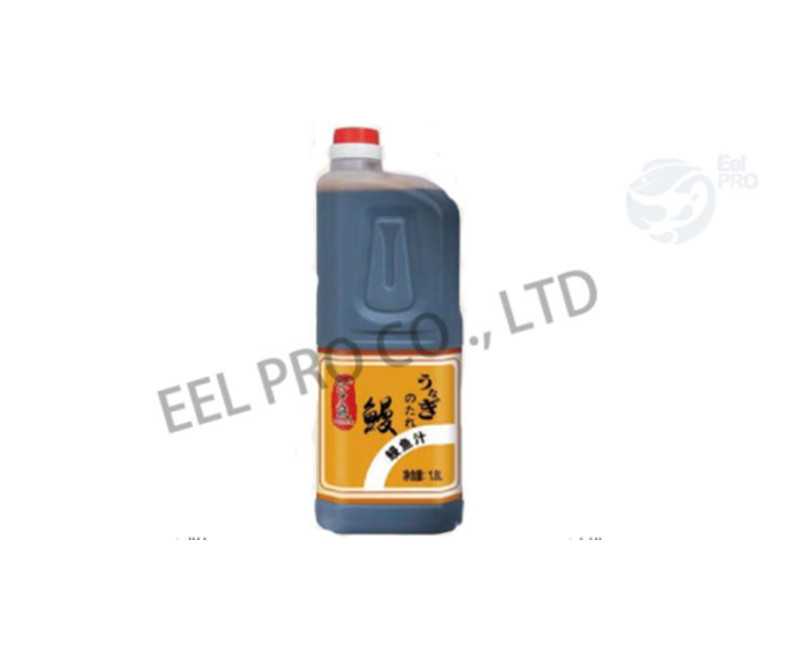
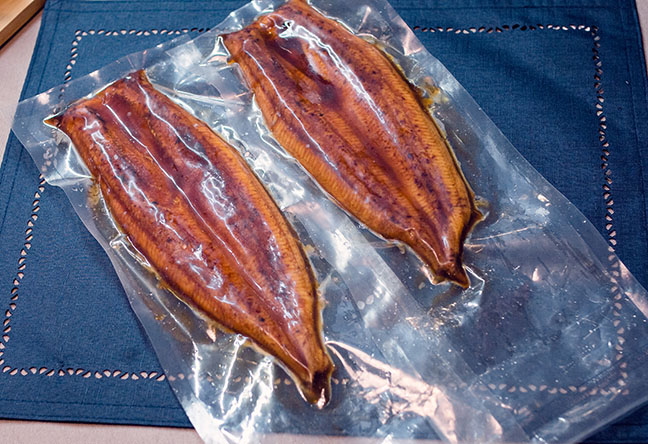
For a ready-to-use option, explore Eelpro’s eel sauce product for pairing with frozen unagi kabayaki and other seafood dishes.
Thin sauce is a common texture issue. It can mean the liquid has not reduced enough, too much water was added, or the sauce was judged while still hot.
Return the sauce to the saucepan and simmer it over low heat. Keep the pan uncovered, stirring occasionally and paying attention to the edges and bottom.
Low heat gives you more control. High heat may reduce the liquid quickly, but it can also scorch the sugar and create bitterness. Stop when the sauce falls from the spoon in a slow ribbon.
Transfer the sauce to a heat-safe container and let it cool. Do not add extra sugar just because the hot sauce appears thin. Cooling changes the body and may prevent an overly sweet result.
To thicken eel sauce without cornstarch, reduce it gently through evaporation. This approach keeps the sauce glossy and avoids introducing a powdery thickener.
Another option is to prepare a small amount of the same sauce separately, reduce it further, and blend it into the thin batch. This can add body without abruptly changing the salt balance.
Avoid a hard boil. Rapid bubbling can make the mixture foam, concentrate the salt quickly, and leave a cooked or burnt note. A gentle simmer offers more control.
A thick eel sauce can work well for brushing onto grilled unagi, but it may become difficult to drizzle or portion. This often happens when the sauce reduces too far or when it is stored cold.
Start by warming the sauce gently. Chilled sugar-based sauces can become firmer. If warming does not restore the desired flow, stir in a small amount of water or unsalted liquid, then heat gently until combined.
Add liquid in very small amounts. A large addition can turn a thick sauce watery, forcing you to reduce it again. Stir well after each adjustment and let the sauce cool briefly before deciding whether it needs more.
For foodservice, keep separate portions for different uses. A slightly thicker batch can work well for brushing grilled eel, while a more fluid batch is easier to drizzle over rice bowls, sushi rolls, or vegetables.
Eelpro’s frozen unagi kabayaki pairs well with a glossy finishing sauce. Warm the eel according to your kitchen process, then apply the sauce near the end so the glaze stays bright and aromatic.
Why is my eel sauce too salty? Common causes include too much soy sauce, excessive reduction, or tasting the sauce before pairing it with food. Reduction removes water while leaving salt behind, so the sauce can taste saltier as it thickens.
Add a small amount of water or unsalted stock. Stir and warm gently. This can reduce the overall intensity without adding another dominant flavor.
A little extra sugar can soften the perception of saltiness, but it does not remove salt. Add it gradually. Too much can create a syrupy sauce that overwhelms unagi and rice.
If the sauce is strongly over-seasoned, make another small portion without soy sauce and combine the two. This spreads the salt through a larger volume while maintaining the sauce’s general style.
Do not automatically reach for acidic ingredients to fix salty sauce. Citrus or vinegar can change the character of the glaze and may not suit a traditional unagi application. Taste it with a spoonful of plain rice before making a major adjustment.
A sauce that tastes sweet in the pan may seem more balanced with grilled eel, but an overly sugary batch can cover the seafood’s flavor. Make corrections gradually.
After each adjustment, warm the sauce gently and taste it again once it has cooled slightly. Heat can affect how sweetness is perceived, while a cooler sample may give a clearer sense of the final table flavor.
For a deeper look at flavor corrections, see this kabayaki sauce fix guide.
Visual testing is useful, but it should not be your only check. Use these three simple tests before serving.
Dip a clean spoon into the sauce and lift it. The sauce should cling lightly and fall in a continuous ribbon. If it runs like water, reduce it. If it drops in heavy clumps, loosen it gently.
Place a small amount on a cool plate and tilt it slightly. A balanced sauce should move slowly while leaving a glossy trail. A watery sauce spreads immediately, while an over-reduced sauce barely moves.
Taste the sauce with plain rice or a small piece of unseasoned cooked fish. This helps show whether the seasoning works with food rather than only on its own. A strong sauce may seem too salty alone yet taste balanced on rice, but it should not taste harsh.
Write each adjustment beside the batch. Record whether you reduced, diluted, or sweetened it. This simple practice helps kitchens repeat a preferred eel sauce consistency instead of relying on memory.
How to store homemade eel sauce? Cool the sauce promptly, transfer it to a clean covered container, and refrigerate it. Keep the container sealed so the sauce does not absorb odors from other foods.
Use a clean spoon each time. Do not return used sauce from a serving dish to the storage container. For a commercial kitchen, label the container with its preparation date and follow the site’s food-safety procedure.
When reheating, use low heat and stir gently. Avoid repeated vigorous boiling. If the sauce thickens in storage, loosen it with a small amount of water or unsalted liquid. If it becomes thinner after warming, let it cool before deciding whether more reduction is needed.
Always check the sauce before use. Discard it if you notice an unusual odor, visible mold, unexpected fermentation, or a marked change in appearance. Storage time depends on the ingredients, handling, container, and refrigeration conditions, so follow your local food-safety requirements.
Avoiding the wrong fix can save the whole batch. Keep these points in mind:
Key point: Sauce thickness changes with temperature. A refrigerated sauce can appear much thicker than the same sauce when warm, so test it at the temperature at which it will be served.
Pitfall guide: If the sauce smells burnt, dilution may not save it. Burnt sugar can dominate the entire batch. Start again rather than trying to cover the flavor with extra soy sauce or sweetness.
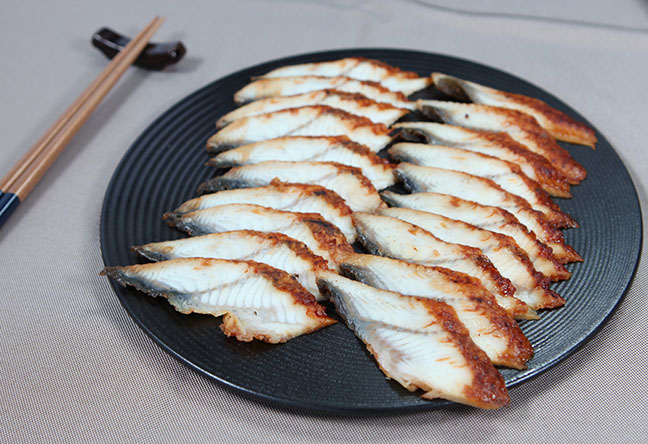
Once the texture is right, use the sauce for more than unagi rice bowls. Brush it over grilled freshwater eel, drizzle it over sushi rolls, or add a small amount to roasted vegetables and steamed rice.
It can also suit seafood menu items that need a sweet-savory finish. Keep the application controlled. A thin drizzle can add shine and flavor without hiding the main ingredient.
For more inspiration, see Eelpro’s guide to unagi ramen ideas or browse the company’s frozen seafood selection.
Before serving, confirm that the sauce is glossy, pourable, and balanced. Check the spoon test, taste it with plain rice, and make sure the flavor supports rather than hides the eel.
The best homemade eel sauce is not necessarily the thickest or sweetest. It is the one that pours cleanly, clings to the food, and tastes balanced at the table. Have you had better results with a thinner drizzle or a thick glaze? Share your preferred eel sauce consistency in the comments, and explore Eelpro’s kabayaki sauce insights for more serving ideas.
 WhatsApp
 sales@chinaeels.com
 +8619937922411