





The ladle hovered over the eel fillet. A glossy drizzle that should have clung like amber silk just ran off the fish and puddled on the plate. Watery. Barely sweet. Nothing like the lacquered shine you remember from a real unagi don. You didn’t mess up the unagi — you messed up the unagi sauce. And I’ve been there. More than once.
Good eel needs a eel sauce that’s thick enough to coat, sweet enough to balance the fat, and salty enough to keep every bite interesting. When the homemade unagi sauce goes wrong, it’s usually one of three things: too thin, too salty, or too sweet/bitter. The fixes are simple — and they don’t require a trip to Kappabashi.
Before we fix anything, let’s start with a base that works. A proper Japanese eel sauce — unagi no tare — is a reduction of soy sauce, mirin, sugar, and sake. Sometimes dashi or a pinch of ginger. Here’s the ratio I use when I’m doing a batch for grilled unagi kabayaki at home:
Combine everything in a small saucepan. Bring to a bare simmer — not a rolling boil — and reduce by about one-third. It should coat the back of a spoon. That’s your unagi tare sauce. Takes maybe 15 minutes. Now, where it goes sideways.
You didn’t reduce enough, or you added too much dashi/water. Maybe you tried a shortcut with bottled teriyaki eel sauce and were disappointed. Teriyaki sauces often have cornstarch already, but real tare should rely on sugar concentration for body.
Pour the thin sauce back into the pan. Simmer on low heat, stirring constantly, until it visibly thickens. This can take another 8–12 minutes. No need to add anything. The sugar in the mirin and added sugar will do the work. If you’re in a rush, you can make a cornstarch slurry: 1 teaspoon cornstarch mixed with 1 tablespoon cold water, then whisk into the simmering sauce. Cook 1–2 minutes until glossy. But be warned — this gives a slightly jelly-like texture on cold eel. Better to reduce naturally.
Want to avoid this next time? Check the sauce on a chilled spoon. Dip a metal spoon in ice water, then into the sauce. The film left behind should be thick enough to draw a clean line through with your finger. That’s your target. For more on fixing sauce texture, read kabayaki sauce recipe: fix flavor mistakes.
I’ve had this happen after using a double-fermented soy sauce or letting the pot reduce too far past the sweet spot. Suddenly the sauce is salt-bomb territory. Not salvageable by just adding water — water thins it, and you lose cling.
Here’s the fix that actually works. Add more sugar and mirin (or a spoon of honey) and a splash of sake, then simmer again. The extra sugar balances salt without drowning the umami. Rule of thumb: for every 150 ml of over-salted sauce, stir in 20 g of sugar and 30 ml mirin. Reduce back to the right consistency. Taste. Still salty? Add a peeled chunk of potato or a few slices of raw carrot, simmer for 15 minutes, then remove. They’ll absorb some salt. Discard them. Not traditional, but it works.
If your ending volume is too large after adjustments, just reduce further. The sauce will keep for weeks in the fridge, so a bigger batch isn’t a disaster. For storage tips, see eel sauce recipe: make‑ahead and storage tips.
Oversweet homemade unagi sauce happens when you go heavy on mirin and sugar, or when you use sweetened cooking sake. The sauce becomes cloying. Bitter notes usually come from burnt sugar — the bottom of the pan scorched, or you used dark brown sugar that charred during reduction.
For oversweet sauce, add more soy sauce in small increments (start with 1 tablespoon per 150 ml) and a dash of rice vinegar. The vinegar lifts everything without making it sour. For bitterness, unfortunately, you can’t fully remove it. You can mask it by adding a bit of extra mirin and a knob of cold butter off the heat — butter smooths out burnt edges. But bitterness from scorching means next time, use a heavy-bottomed pan and never walk away during the final reduction. Stir more often. A silicone spatula saves the day.

Many people think Japanese eel sauce and teriyaki sauce are interchangeable. They’re not. Teriyaki eel sauce you might buy in a squeeze bottle often contains ginger-garlic notes, more sugar, and thickeners. Real unagi tare sauce has a cleaner flavor — primarily soy, mirin, sugar, sake — and is reduced, not just thickened. When you’re making homemade unagi sauce, aim for that simplicity. It lets the eel’s fat shine. I’d use a teriyaki-style glaze for grilled chicken, but unagi needs its own tare. Check out eel teriyaki: grilled unagi with sweet‑savory glaze for a teriyaki-inspired approach if you’re curious about the crossover.
Homemade unagi sauce keeps brilliantly. Cool it completely, pour into a clean glass jar, and refrigerate. It’s good for up to 3 months. Over time, the salt and sugar act as preservatives. Some home cooks reuse the same tare batch for multiple eel grilling sessions, simmering it each time and straining out bits of fish. That’s how traditional tare evolves — it gets more complex. If you’re meal prepping, double the recipe and store half. Then use it for eel rice bowls, glazed eggplant, or even as a finishing sauce for grilled tofu. For more make-ahead ideas, see eel recipes for meal prep: make‑ahead ideas.
Simmer the sauce longer to reduce water content until it coats a spoon. If short on time, whisk in a small cornstarch slurry (1 tsp cornstarch + 1 tbsp water) and cook 1-2 minutes.
Probably reduced too much or used a very salty soy sauce. Rebalance by adding more sugar and mirin, then simmer again. For stubborn saltiness, simmer with a chunk of potato or carrot, then discard it.
Reduce over low heat — that’s the traditional way. The sugar concentrates naturally, giving body and gloss. Avoid adding starch unless you need a quick fix, because it dulls the clean soy-sweet finish.
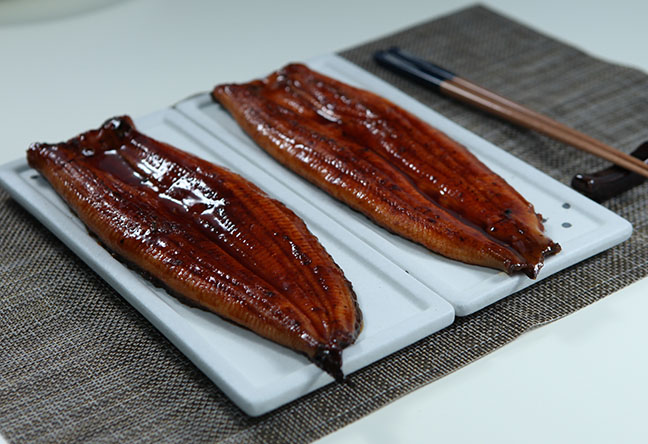
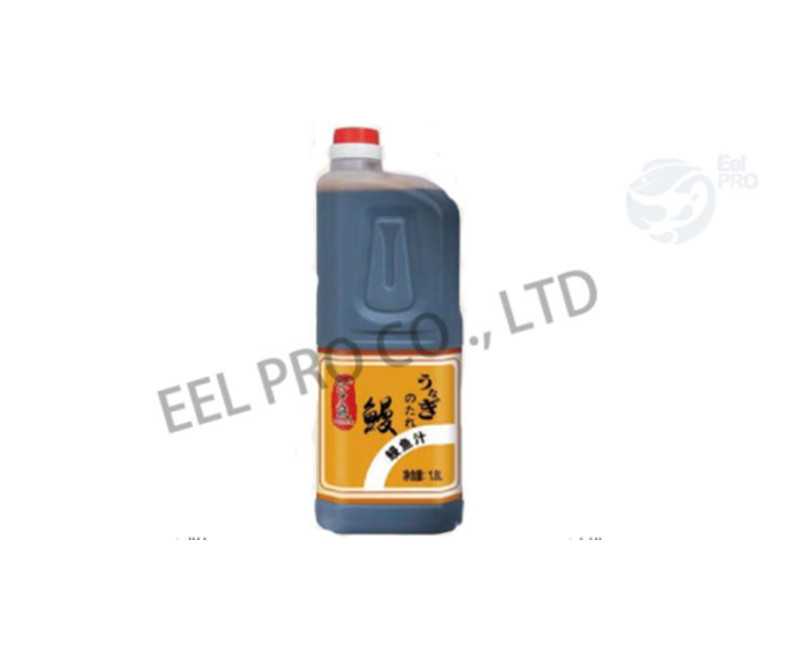
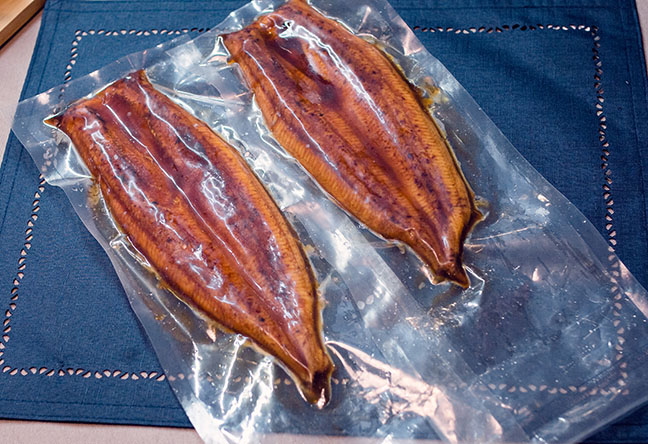
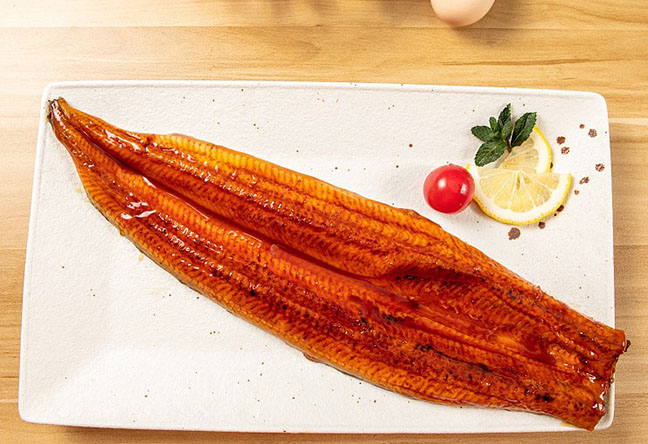
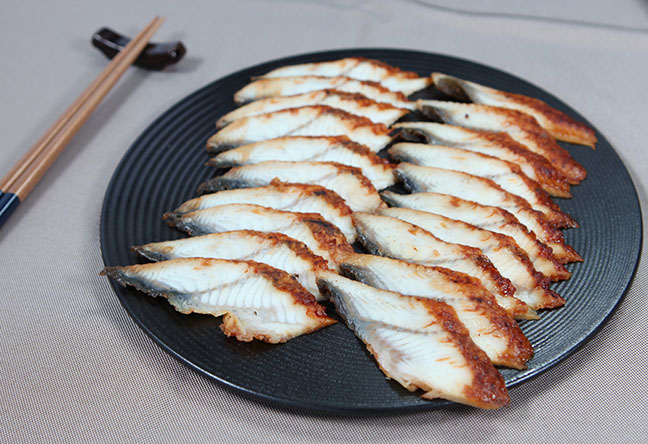
Ready to put your sauce to work? Grab some high‑quality frozen unagi kabayaki from unagi kabayaki manufacturer, frozen eel supplier Eelpro Co., LTD, and let that glossy tare shine. And if you’d rather skip the stove time, our ready‑made unagi tare sauce delivers that lacquered eel-shop taste straight from the bottle. Whether you’re a home cook or a restaurant kitchen, a perfect sauce is just a reduction away. Explore more how to cook eel: easy methods and tips and bring real unagi flavor to your table.
 WhatsApp
 sales@chinaeels.com
 +8619937922411