





Unagi recipes go well beyond rice bowls and sushi. A smoky, sweet-savory eel fillet can become a taco filling, pasta topping, bao centerpiece, or salad protein. The key is balance: keep unagi recognizable while giving guests a fresh reason to order it.
For restaurants and foodservice operators, that balance is essential. Modern diners often look for familiar flavors presented in unexpected ways. Unagi brings a rich texture, a built-in glaze profile, and enough character to fit Japanese, Mexican, Italian, Korean, and European-inspired menus.
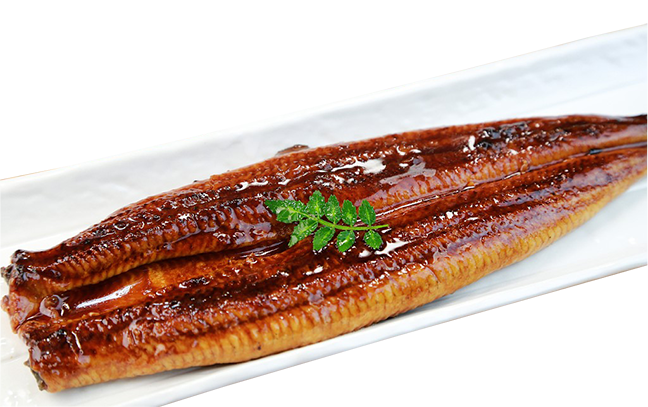
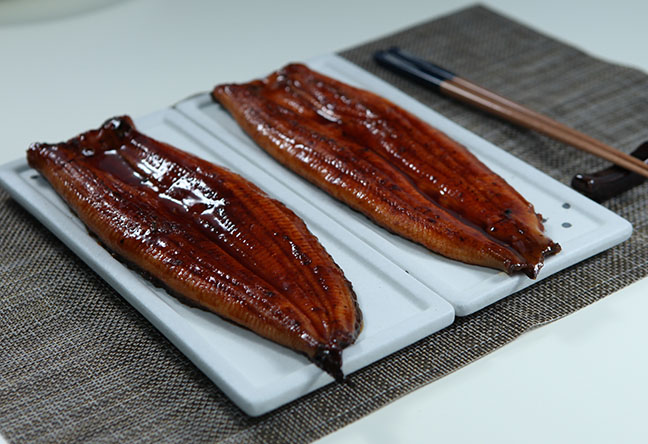
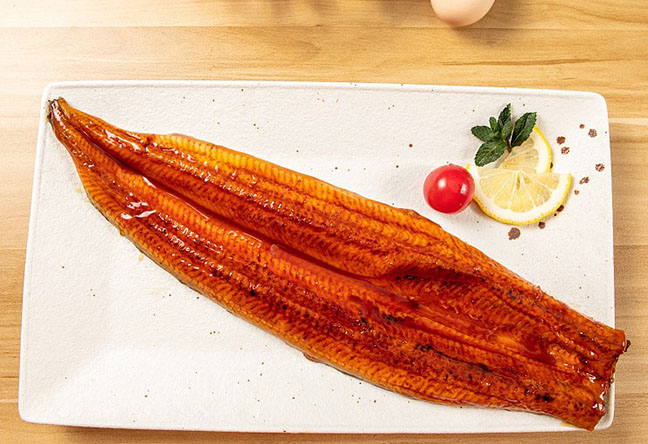
Unagi is freshwater eel with a soft texture and deep grilled flavor. In a kabayaki format, the eel is paired with a sweet-savory sauce, often called unagi tare. That built-in flavor profile can be practical for busy kitchens. Chefs can use the fillet as the main protein, then build a new dish around it.
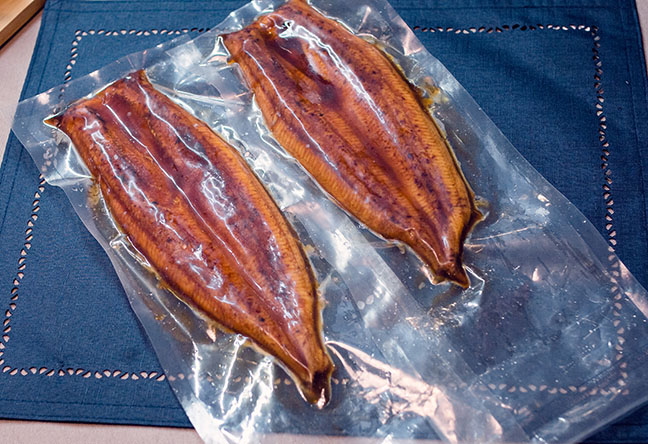
Our frozen unagi kabayaki can provide a convenient base for menu testing. Follow the product heating directions, then finish each portion with fresh herbs, pickles, citrus, chili, or a contrasting sauce.
The best approach is not to cover the eel with too many ingredients. Start with one strong contrast:
These contrasts create easy unagi recipes that still stand out on a printed menu.
Unagi tacos bring together smoky grilled eel and lively Mexican-inspired flavors. Use a warm soft tortilla, then add strips of heated kabayaki eel. Finish with shredded cabbage, pickled onion, cilantro, lime, and a small amount of chili.
The tortilla provides a neutral base, while pickled vegetables cut through the eel’s richness. Lime keeps the dish bright, and chili gives the sweet sauce a sharper finish.
For service, prepare the garnishes ahead and add the eel at the final stage. The taco should feel fresh rather than heavy. A light drizzle of eel sauce can reinforce the kabayaki flavor, but use it carefully so the tortilla does not become soggy.
Pairing tip: Use crisp cabbage or radish for texture. Too many soft ingredients can make the taco feel dense.
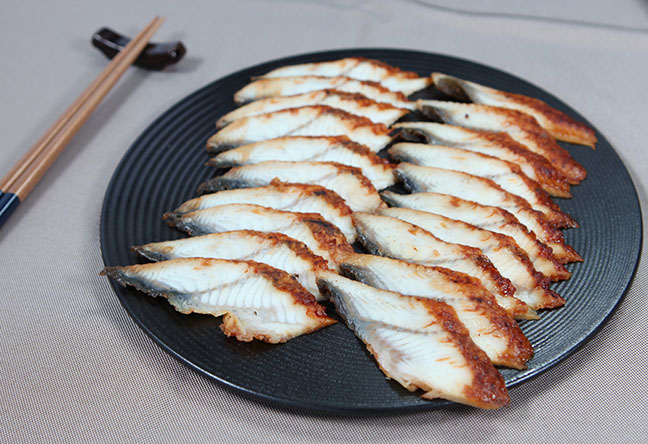
Unagi pasta works because eel already has a grilled, savory sweetness. Toss warm noodles with olive oil or a light cream base, then add flaked unagi, lemon zest, parsley, and cracked pepper. For a stronger fusion direction, use a small amount of soy, ginger, or kabayaki sauce in the finishing glaze.
Keep the pasta sauce restrained. A heavy sauce can mask the eel’s flavor. Long noodles offer a familiar eating experience, while citrus and herbs bring Italian-style freshness.
This concept can work in casual dining or as a smaller plated portion on a bar menu. Add toasted breadcrumbs for crunch, or use thinly sliced cucumber for a cooler contrast.
For another noodle direction, see our guide to unagi ramen. The same pairing principle applies: rich eel benefits from aromatic broth, fresh toppings, and a clean finish.
Lettuce wraps turn unagi into a hands-on menu item. Place warm eel pieces in lettuce leaves with steamed rice, cucumber, scallion, toasted sesame, and a spicy Korean-style sauce. Cool lettuce provides an immediate contrast to the warm, glazed fish.
Restaurants can serve the components separately as a shared appetizer. This format lets guests control the rice, sauce, and garnish, while making the dish more approachable for diners who may not have ordered eel before.
Use a sauce with fermented depth, but avoid making it sweeter than the kabayaki glaze. A little vinegar or fresh pear can soften the overall flavor. Sesame adds aroma without competing with the eel.
Avoid this mistake: Do not overload the lettuce leaf. Too much rice and sauce can hide the eel and make the wrap difficult to eat.
Steamed bao provide a soft, slightly sweet carrier for grilled eel. Fill each bun with a portion of unagi, then add cucumber, carrot, scallion, and a light herb slaw. A touch of chili mayonnaise can complete the dish.
This is one of the most adaptable creative unagi dishes for casual restaurants. It can be served as a snack, small plate, or part of a sharing platter. Crunchy vegetables balance the soft bao and tender eel.
For a stronger Asian street-food identity, add toasted sesame or crushed roasted peanuts. For a lighter profile, use mint, coriander, and rice vinegar. The garnish can change while the eel base remains the same.
Our Chinese dimsum range offers useful inspiration for portioning and service formats when developing bao-based menu items.
A poke-style bowl gives unagi a colorful, fresh setting. Build the bowl with rice or mixed grains, then add warm eel, avocado, cucumber, mango, edamame, and spring onion. Finish with sesame, citrus, and a measured amount of sauce.
Although rice bowls are traditional for unagi, this ingredient mix changes the dining experience. Mango adds gentle sweetness and acidity, while cucumber brings cool crunch. Avocado supports the eel’s richness, but a sharp citrus dressing keeps the bowl from feeling overly rich.
This format can suit lunch service because the toppings may be prepared in advance. Add the eel near the end so it stays warm and visually distinct.
For more menu development ideas, browse these eel rice bowl toppings and adapt the garnish combinations to your customer base.
Unagi can also work well on flatbread. Start with a thin, crisp base, then add a small amount of goat cheese, warm eel, sliced fig, arugula, and a light balsamic-style finish. The result combines smoke, creaminess, fruit, and peppery greens.
This pairing suits wine bars, modern cafés, and restaurants looking for a shareable appetizer. Use the cheese as an accent rather than a thick layer. The eel should remain the main flavor.
When figs are unavailable, pear or apple can provide a similar fresh-fruit contrast. A few toasted walnuts add texture. Keep the garnish restrained so the flatbread remains easy to slice and share.
Tempura gives cooked eel a crisp outer texture. Cut prepared unagi into manageable pieces, coat it in a light batter, and serve it with citrus ponzu, grated daikon, or a mild herb dip. The contrast between the crisp coating and tender fish makes this a compelling bar snack.
Because kabayaki sauce is already sweet and savory, the dipping sauce should add acidity rather than more sweetness. Citrus, rice vinegar, or grated radish can provide that lift.
Review the differences in texture and flavor in eel tempura and shrimp tempura before choosing a presentation. Eel tempura can be especially effective in smaller portions with a clean dipping sauce.
The right supporting ingredients depend on the role you want unagi to play. If the eel is the centerpiece, choose fresh and crisp additions. If it is one element in a composed dish, add ingredients that bring acidity, heat, or texture.
| Ingredient group | Good choices | Why it works |
|---|---|---|
| Fresh herbs | Mint, cilantro, parsley, scallion | They lighten the grilled flavor. |
| Acidic ingredients | Lime, lemon, rice vinegar, pickled onion | They balance the sauce and fat. |
| Crunchy vegetables | Cabbage, cucumber, radish, carrot | They contrast with tender eel. |
| Fruit | Mango, fig, pear, apple | They connect with the glaze while adding freshness. |
| Heat | Fresh chili, chili oil, wasabi, ginger | They prevent a sweet profile from feeling flat. |
| Creamy elements | Avocado, yogurt, goat cheese | They soften sharper sauces and spices. |
For a wider list of combinations, explore these eel flavor pairings. The most useful pairing test is simple: taste the eel with the proposed garnish before building the full plate.
Start with the service format, not the garnish. Decide whether the dish will be a handheld item, bowl, small plate, entrée, or tasting-menu course. The format determines how much sauce, rice, bread, or vegetables the portion needs.
Menu language should make the dish approachable. Mention the familiar element first, then the fusion detail: “Grilled unagi bao with cucumber slaw” or “Citrus unagi pasta with herbs.” These names explain the dish without requiring a long description.
When comparing suppliers, ask how the product is packed, labeled, stored, and prepared for service. Confirm whether the item is a finished kabayaki product or a raw freshwater eel that requires further processing. These options require different kitchen workflows.
Eelpro Co., LTD supplies frozen unagi kabayaki, eel sauce, frozen seafood, and freshwater eels for overseas buyers. Buyers can also review our unagi kabayaki manufacturing information when planning a product review.
For menu trials, keep the first test focused. Use one eel format and compare it across several applications. Check appearance, texture, sauce level, garnish compatibility, and ease of plating. A dish that tastes good but requires too many steps may not suit a busy operation.
Key point: Unagi’s soft texture does not mean it lacks structure. The fish can retain its identity in bowls, wraps, pasta, and crisp coatings when handled gently and not buried under sauce.
For buyers considering raw products, preparation knowledge matters. Our guide to cleaning and deboning eel explains why handling requirements differ from using prepared kabayaki.
The best options preserve unagi’s grilled identity while adding a clear contrast. Unagi tacos, bao, lettuce wraps, citrus pasta, poke-style bowls, flatbreads, and tempura are strong starting points. Choose the format that matches your restaurant’s service style and guest expectations.
Restaurants can pair unagi with the base and garnish of another cuisine. Use tortillas for Mexican-inspired tacos, bao for a dim sum format, pasta for an Italian direction, lettuce for Korean-style wraps, or fruit and grains for a fresh bowl. Keep the flavor structure simple: rich eel, bright acid, fresh texture, and controlled sauce.
Citrus, pickled vegetables, cucumber, cabbage, herbs, chili, ginger, sesame, avocado, mango, fig, pear, and light creamy ingredients all pair well with unagi. The strongest choices either cut through the glaze or add crisp contrast to the tender fish.
Yes. Prepared frozen kabayaki can help a kitchen test different menu formats without beginning with raw eel processing. Follow the supplier’s storage and heating directions, then compare the product in several dishes before finalizing the menu.
Unagi gives chefs a strong starting point. Its grilled aroma and sweet-savory profile can move across many cuisines without losing its identity. The most successful fusion eel recipes do not add ingredients simply for novelty. They create a clear exchange between flavors and textures.
Try one handheld dish, one bowl, and one small plate. Taste each with the planned garnish, then ask your team which version is easiest to explain, prepare, and repeat.
Which pairing would you put on your menu first: unagi tacos, citrus pasta, bao, or tropical bowls? Share your idea with us, and explore more kabayaki sauce ideas for your next recipe test.

 WhatsApp
 sales@chinaeels.com
 +8619937922411