





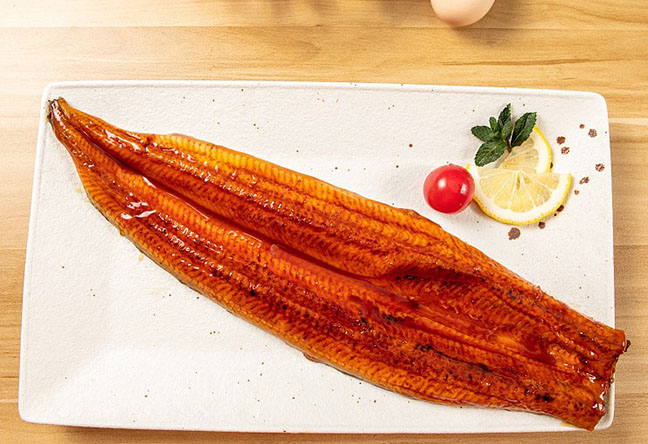
You’ve laid out a beautiful fillet of grilled unagi, the rice is steaming in the bowl, but your homemade eel sauce is a disaster — too thick, weirdly bitter, and sliding off in globs instead of coating the eel in that glossy, amber glaze. We’ve all been there. The good news: every flaw has a quick fix, and once you know the checkpoints, you’ll pour a silky kabayaki sauce that makes your unagi donburi sing.
Before we fix mistakes, let’s lock in the baseline. Classic unagi sauce (also called kabayaki sauce) lives on three pillars: soy sauce, mirin, and sugar. Some cooks add sake, a touch of dashi, or even a secret splash of eel stock, but for home cooks the simple 1:1:1 ratio works beautifully.
Basic unagi sauce recipe:
¼ cup soy sauce (Japanese dark, like Kikkoman)
¼ cup mirin (hon-mirin if possible, not the sugary "mirin-like" seasoning)
3 tablespoons granulated sugar
Optional: 1 tablespoon sake
Combine everything in a small saucepan over medium-low heat. Stir until the sugar dissolves completely, then drop the heat to low and let it barely bubble for 15–20 minutes. You’re looking for a consistency that coats the back of a spoon and leaves a clean trace when you swipe a finger through it. If it’s your first time, start checking at the 12-minute mark. Over-simmering is the quickest route to bitterness.
Now, let’s troubleshoot the most common homemade eel sauce catastrophes so you can rescue any batch.
You pulled the sauce off the stove and it’s already setting up like caramel candy. A thick, sticky unagi sauce won’t brush well and can burn when you broil it over eel.
Why it happens: You simmered too long or at too high a heat. Sugar thickens and eventually hardens as moisture evaporates. Even a couple of extra minutes over medium heat can push the sauce from “just right” to “glue.”
How to fix homemade Japanese eel sauce that’s too thick:
— Immediately add a tablespoon of hot water and whisk over low heat. Water reintroduces moisture without diluting flavor much.
— If the sauce is already cooled and hard, return it to the pan with 2 tablespoons of water and a teaspoon of mirin, warm gently, and stir until fluid.
— Next time, aim for a 15-minute simmer maximum. The sauce will thicken further after it cools, so stop when it’s slightly thinner than your target.
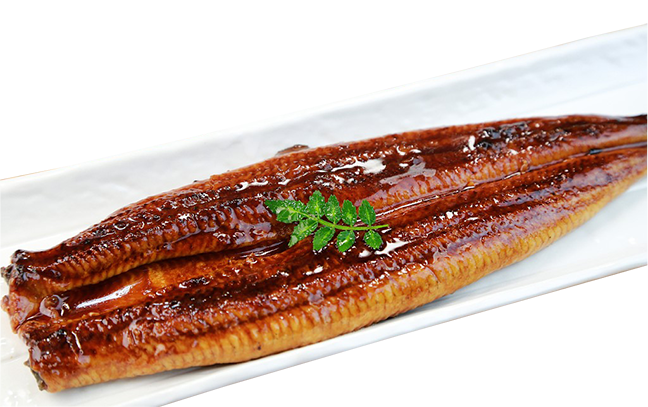
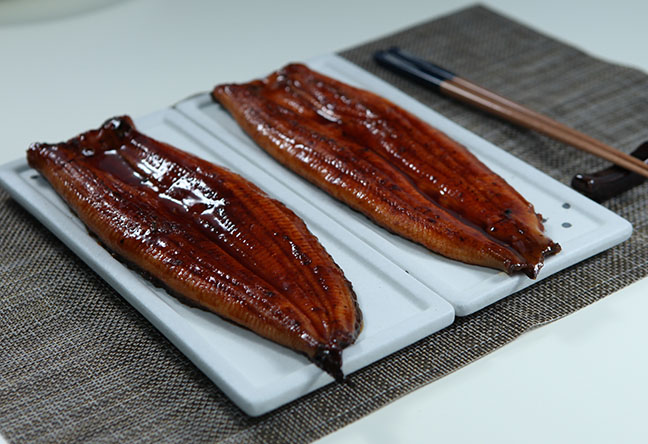
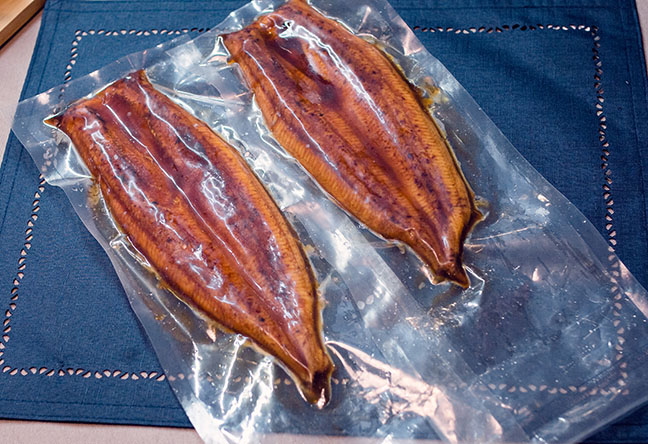
A perfectly rescued sauce will brush onto our frozen unagi kabayaki fillets like melted chocolate.
On the flip side, you’ve got a watery, soy-forward liquid that won’t cling to your unagi’s surface. This often happens when you’re afraid of burning the sugar and pull the pot off too early, or you added extra sake or mirin by accident.
How to fix homemade eel sauce that’s too thin:
— Return to low heat and simmer uncovered for another 5–8 minutes. Watch it like a hawk; a thin sauce can thicken fast.
— Quickly mix 1 teaspoon cornstarch with 1 teaspoon cold water, then whisk the slurry into the warm sauce. This gives body without masking flavour, but use it sparingly — it can mute the glossy finish.
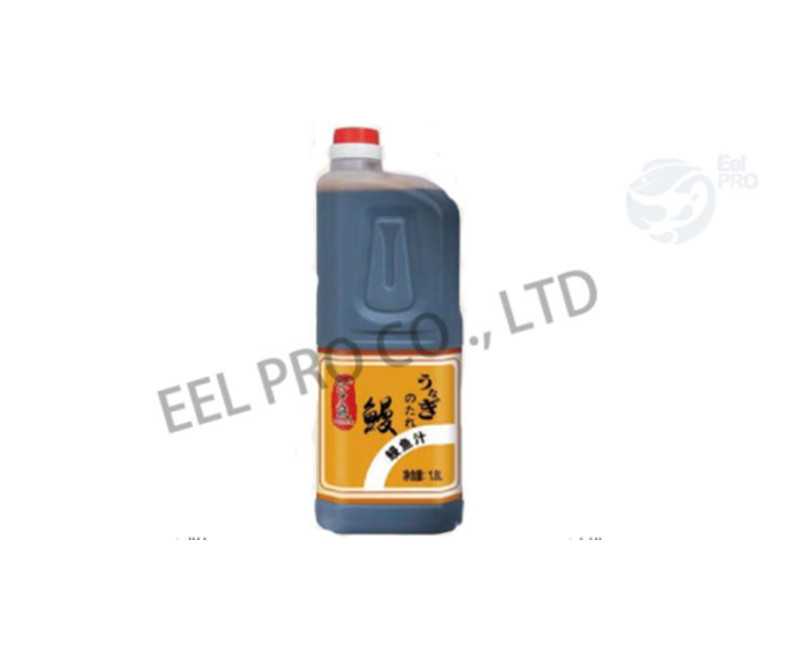
— For a more authentic fix, stir in a teaspoon of sugar or a tablespoon of prepared unagi tare and cook down. If you’re in a hurry, our eel sauce product page shares the ready-to-use version that’s been balanced by pros.
Bitterness sneaks up and wrecks the delicate taste of grilled eel. It tastes acrid, not just salty, at the back of your throat.
Why it happens: High heat caramelizes sugar too aggressively, turning it from sweet to burnt. Soy sauce itself can scorch if the pan gets too hot. Another culprit: using a thin-bottomed saucepan that doesn’t distribute heat gently.
How to fix a bitter unagi sauce recipe:
— First, add 1 teaspoon of honey or brown sugar and warm the sauce. Sweetness won’t erase the burnt note entirely but will mask it well enough for one meal.
— If it’s deeply scorched, you might need to start over — but you can still use the bitter batch as a marinade base mixed with more soy and sake, just not as a finishing glaze.
— Prevention: never let the sauce boil hard. Keep it at a lazy shimmer, around 95°C (200°F), and use a heavy-bottomed pan. This is where a good kabayaki sauce technique matters; a gentle hand yields a glossy, sweet finish.
Your sauce tastes fine — salty, sweet — but it lacks that deep, savory soul that makes unagi bowls addictive. It’s a common problem when using only soy, sugar, and mirin without the foundational layer of umami.
Cold knowledge: In many traditional Japanese eel restaurants, the unagi tare is never made from scratch all at once. It’s a “master sauce,” continuously topped up and simmered for days, absorbing eel drippings and toasted eel bones. That’s why it tastes so complex. You can mimic a bit of that magic at home.
Fix weak homemade eel sauce:
— Add ½ teaspoon of dashi powder (bonito or kombu) to the sauce during the last 5 minutes of simmering.
— Stir in 1 teaspoon of oyster sauce or a splash of fish sauce. It won’t taste fishy — it will round out the sweetness.
— For the diehards: toast a dried eel bone (if you have one from a frozen unagi pack) in a dry pan until fragrant, then drop it into the simmering sauce for 10 minutes. Remove before serving. This is next-level depth. And if you want to explore more eel-based flavors, our smoked eel recipe brings a completely different dimension to your kitchen.
Timing is everything, but the exact number can trip you up because it depends on your pan size and burner. The goal isn’t just a clock — it’s a visual cue.
The 15-20 minute rule with 3 checkpoints:
1. At 10 minutes: The sauce should be steaming, tiny bubbles around the edge. It’s still thin, but the color has darkened from light soy to deep mahogany.
2. At 15 minutes: The bubbles become larger and slower. A dipped spoon leaves a layer that doesn’t slide off immediately. This is often the sweet spot for brushing onto grilled eel.
3. At 20 minutes: The sauce thickens more; if you tilt the pan, it pulls away in a slow sheet. Any longer and you risk crossing into sticky territory.
If you’re making a big batch to store, remove it a bit earlier than your target final thickness — the sauce will continue to thicken as it cools in the fridge. Then, when you reheat it later with a splash of water, it’s perfect every time. For more eel meal prep ideas, check our eel recipes for meal prep.
| Problem | Likely Cause | Instant Fix | Prevention Next Time |
|---|---|---|---|
| Too thick / sticky | Over-reduced or high heat | Whisk in hot water + mirin | Stop at thin coating stage; heavy pan |
| Too thin / runny | Under-simmered, too much liquid | Simmer 5-8 mins more, or cornstarch slurry | Pre-measure liquids; test at 15 mins |
| Bitter taste | Sugar burnt, pan too hot | Add honey / brown sugar | Low heat only; simmer gently |
| Flat, lacking depth | No umami booster | Dashi, oyster sauce, fish sauce, or toasted eel bone | Include a boost from the start |
With this cheat sheet taped to your fridge, no batch of unagi sauce will go to waste.
Not all soy sauces are created equal. Chinese light soy is saltier and thinner; Japanese dark soy (koikuchi) has a balanced, round flavour that doesn’t hit you with just salt. If you must use Chinese soy, reduce the amount by a tablespoon and add a pinch more sugar. Better yet, pick a Japanese brand for your kabayaki sauce. It genuinely changes the finish.
When you glaze your unagi kabayaki eel, brush the sauce on during the last 2 minutes of grilling. Sugar burns quickly under direct heat, and if you apply it from the start, you’ll get a charred, bitter crust — and you’ll blame the sauce when it was the timing all along. For more grilling technique, our eel teriyaki grilled unagi guide walks you through it step by step.
Once you’ve mastered the classic Japanese eel sauce recipe, you can riff on it to match different dishes. Add a teaspoon of grated ginger for a zesty zing that cuts through the richness of fried eel. A splash of yuzu juice at the very end creates a citrus-kabayaki glaze that’s phenomenal on eel sushi rolls. Or toss in a few toasted sesame seeds for a nutty crunch. The same base can even be used as a dipping sauce for eel tempura — just thin it slightly with warm dashi.
Whenever you experiment, write down your tweaks. The best homemade eel sauce is the one you can replicate three weeks later by muscle memory.
If you’ve nailed this at home, imagine what a frozen eel supplier with a dedicated unagi eel farm and eel lab can do for your menu. At Eelpro, we produce unagi kabayaki and complementary eel sauce that holds up to professional kitchens — balanced, glazy, and consistent. Whether you’re a small restaurant needing frozen seafood or a chain looking for a reliable kabayaki sauce supply, our engineering team ensures every batch meets the same standard you just chased in your own saucepan.
Now it’s your turn. Which mistake did you fix today — the bitter burn or the runny sauce? Drop a comment below and share your rescue trick. And if you’re hungry for more unagi inspiration, don’t miss our complete guide to unagi ramen or the ultimate eel noodle soup. Hit the saucepan again — this time, you’ve got the fixes.
 WhatsApp
 sales@chinaeels.com
 +8619937922411