





To make unagi don at home, serve gently reheated kabayaki eel over warm rice and finish it with a light coating of sweet-savory eel sauce. The key is keeping the eel tender while warming it through. With packaged kabayaki, you can prepare a comforting Japanese eel rice bowl without handling a whole eel.
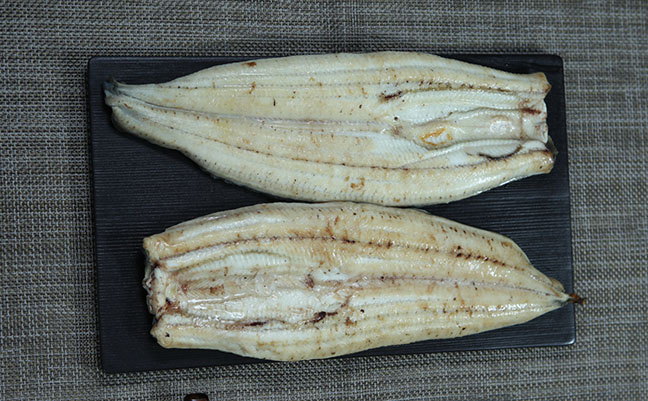
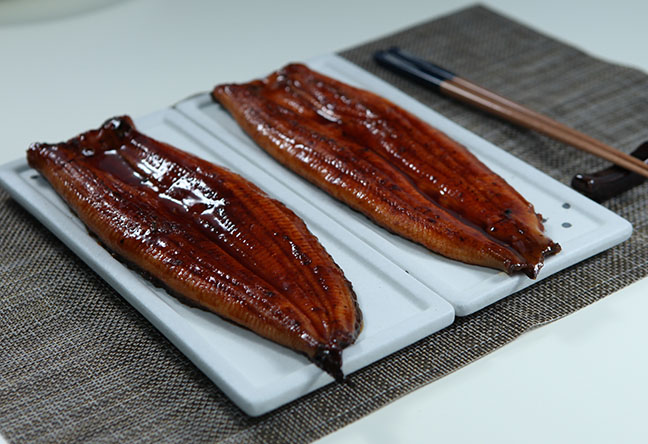
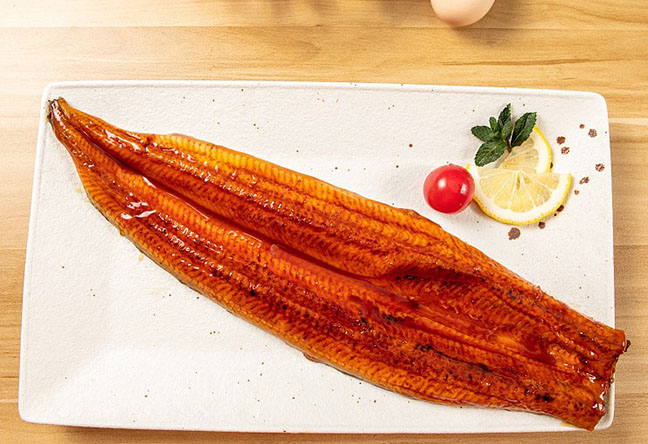
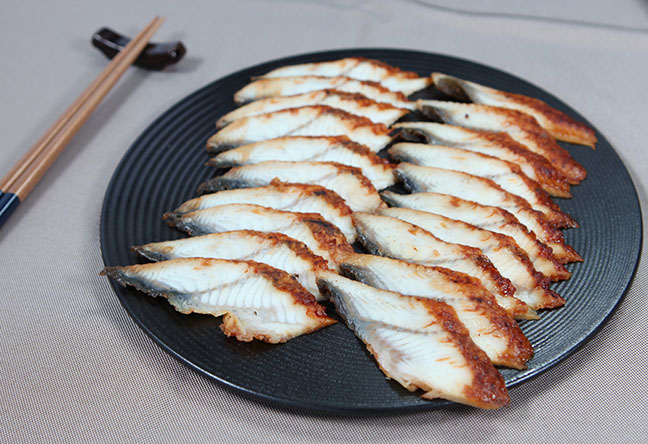
Unagi don, also called unadon, is a Japanese eel rice bowl served with grilled freshwater eel over hot rice. The eel is commonly prepared in the kabayaki style, with a glaze that gives it a glossy surface and sweet-savory flavor. When properly reheated, the flesh should be soft, rich, and easy to separate with chopsticks.
The bowl is simple by design. Rice provides a warm, mild base, while kabayaki eel contributes a deep grilled flavor. Eel sauce brings the elements together with sweetness, saltiness, and roasted notes. Fresh toppings can add contrast without overshadowing the eel.
For home cooks, packaged kabayaki eel is a practical starting point. It avoids the more demanding preparation associated with whole freshwater eel, including cleaning, skinning, and deboning. If you want to learn more about those traditional steps, see this eel cleaning guide.
Choose rice that holds together when lifted with chopsticks. Very dry rice can make the bowl feel rough, while overly wet rice can dilute the sauce. Cook it until the grains are tender but still distinct.
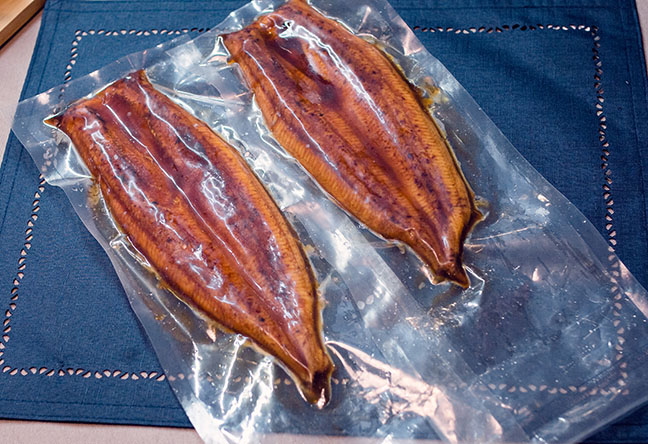
For the eel, look for pieces with an even glaze and a clean aroma. The flesh should not smell strongly sour. A well-packed fillet should stay intact as you move it from the package to the pan. Eelpro supplies frozen unagi kabayaki for buyers seeking a convenient eel option for home meals, foodservice, and menu testing.
This unagi don recipe uses packaged kabayaki eel, so the focus is on gentle reheating and careful assembly. Read the package directions first, especially for frozen products. Keep the eel properly chilled until you are ready to prepare it.
Start with warm rice rather than rice that has been sitting uncovered. Fluff it gently after cooking to release excess steam and prevent the grains from packing into a heavy mound.
Spoon the rice into a serving bowl while it is still hot, leaving room for the eel. A shallow bowl makes the dish easier to eat and lets the glazed kabayaki remain visible.
There are several ways to reheat packaged eel. Choose the method that suits your equipment and the texture you prefer.
The goal is hot throughout, tender in the center, and lightly glossy on top. Do not press the fillet with a spatula. Reheated eel is delicate, and pressing it can force out moisture.
If the packaged eel already has a generous glaze, you may only need a light extra coating. If it looks dry, brush on a little eel sauce during the final stage of reheating.
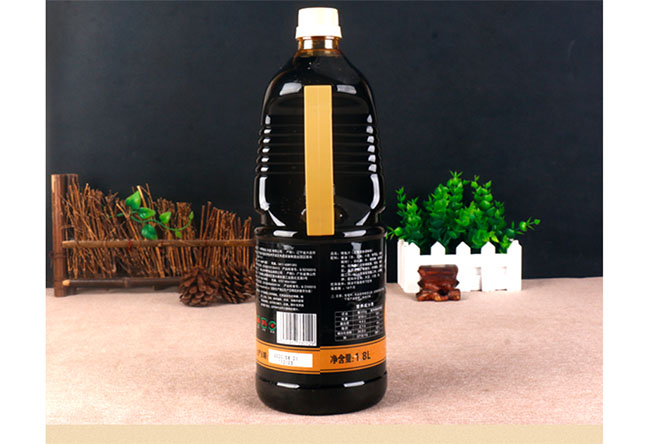
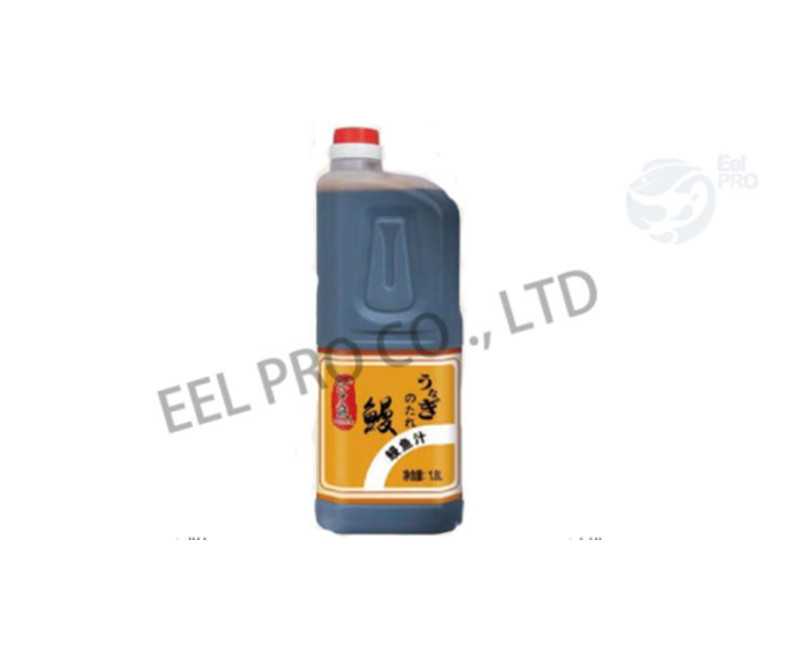
Eel sauce, or unagi tare, is the classic answer to the question, “What sauce goes with unagi don?” Its sweet-savory profile complements grilled eel and rice. You can use a prepared eel sauce product for convenience, or make a homemade unagi sauce if you want to adjust the sweetness and saltiness.
For homemade unagi sauce, combine soy sauce, a sweet cooking ingredient, and a little cooking wine in a small saucepan. Warm the mixture gently, stirring until it comes together. Let it cool slightly before brushing it over the eel. The sauce should lightly coat the back of a spoon rather than becoming thick and sticky like candy.
Avoid pouring a large amount of sauce over the rice all at once. Add a little, taste, and add more if needed. Rice absorbs sauce quickly, and too much can overpower the natural flavor of the eel.
For a classic presentation, cut the eel into easy-to-lift portions before placing it over the rice. For a family-style meal, serve the whole fillet and let each person portion it at the table.
High heat can cause the glaze to burn before the center has warmed through. It may also firm up the flesh and dry out the edges. Gentle heat gives the eel time to warm while keeping the surface glossy.
If the fillet is thick in the middle and thin at the ends, shield the thinner sections with foil or keep them away from the hottest area of the pan. Check the center rather than judging by the edges alone.
The existing sauce contributes to the flavor and appearance of kabayaki eel. Rinsing it off can remove some of the roasted sweetness that defines the dish. If you prefer a lighter bowl, use less additional sauce instead.
Spring onion adds a fresh, sharp note. Sansho pepper offers a fragrant, slightly tingling finish. Pickled ginger can refresh the palate between bites. Cucumber adds crunch, while a simple green salad can make the meal feel lighter.
Avoid piling on strong toppings such as thick mayonnaise, heavy cheese, or intensely spiced pickles unless you are deliberately making a fusion bowl. The eel should remain the main flavor.
Do not reheat the eel uncovered for too long. The exposed surface can lose moisture quickly, especially in a dry oven or microwave. Covering the eel for most of the reheating stage helps protect the flesh. Finish with direct heat only if you want extra browning.
Another common mistake is serving the eel over cold rice. Even well-reheated kabayaki can seem less tender on a cool base. Warm the rice just before assembly so the bowl feels balanced from the first bite.
In a traditional-style eel bowl, sauce connects the rice and grilled eel. A little sauce on the rice seasons each bite, while a thin coating on the eel adds shine and aroma. That is why sauce control matters. A balanced bowl should taste of rice, grilled eel, and seasoning working together rather than plain rice covered in an overly sweet glaze.
If you cannot find Japanese short-grain rice, choose another rice with a soft, lightly sticky texture. Avoid very loose grains if you plan to eat with chopsticks. Brown rice can work, though its stronger flavor may compete with the sauce and rich eel.
If you do not have sansho pepper, use a small amount of shichimi togarashi. The flavor will be different, but it can still add warmth and fragrance. Sliced scallion is an easy substitute for spring onion, and toasted sesame seeds provide a nutty finish.
For a lighter meal, serve the eel with plain rice and steamed vegetables. For a richer meal, add a soft egg or a small bowl of miso soup. You can also turn leftover eel into sushi rolls, noodles, or another rice bowl. Explore these eel rice bowl toppings for more menu ideas.
Unagi also pairs well with noodles. If you enjoy broth-based dishes, try these unagi ramen ideas. The same kabayaki can add a rich grilled note in a different format.
Cook and fluff warm rice, gently reheat packaged kabayaki eel, add a small amount of eel sauce to the rice, and place the hot eel on top. Finish with a light coating of sauce and fresh toppings such as spring onion or sansho pepper. The key is gentle reheating and serving the bowl immediately.
Use a covered pan, covered oven tray, or covered microwave-safe plate. Warm the eel until it is steaming hot in the center. Add a small amount of water when using a pan, or use a damp paper towel in the microwave. Avoid prolonged high heat, which can dry the fillet and darken the glaze.
Unagi tare is the standard sauce for this dish. It has a sweet-savory flavor that suits grilled eel and warm rice. Prepared eel sauce offers a convenient, consistent finish, while homemade unagi sauce can be adjusted to your preferred sweetness, saltiness, and thickness.
Follow the package instructions for thawing and reheating. Do not assume every product should be prepared the same way. If thawing is recommended, keep the eel chilled while it softens, then reheat it gently before serving.
Cover it for most of the reheating process, use gentle heat, and avoid pressing the fillet. Apply extra sauce near the end rather than repeatedly coating the eel from the beginning. Serve it as soon as the rice and eel are ready.
A good homemade Japanese eel rice bowl comes down to a few small choices: warm rice, gentle heat, controlled sauce, and fresh toppings. Packaged kabayaki eel makes the process more approachable, while prepared eel sauce can help create a familiar flavor without a long cooking session.
Try the basic method first, then adjust the rice texture, sauce amount, and toppings to suit your household. If you are comparing products for future meals, explore Eelpro’s unagi kabayaki supply and related freshwater eel products. Share your favorite topping or reheating method in the comments, and tell us whether you prefer a sweeter glaze or a more savory bowl.
 WhatsApp
 sales@chinaeels.com
 +8619937922411