

This Japanese Eel Sauce Recipe Uses Dashi to Build Deeper Umami Than a Basic Glaze
Most home versions of eel sauce taste one-dimensional — sweet, salty, sticky, and not much else. Why? Because a soy-mirin-sugar glaze skips the ingredient that gives real unagi tare its backbone: dashi. This japanese eel sauce recipe adds dashi and sake to the base, closing the gap between a supermarket-style bottle and the sauce brushed on eel at a proper Japanese grill counter.
Why a Basic Glaze Falls Short
Soy sauce, mirin, and sugar reduced together will thicken and caramelize — that part works fine. But the flavor stays flat because there's no free glutamate or inosinate source doing the heavy lifting. You get sweetness and salt, not umami depth. Restaurants that grill unagi kabayaki daily build their tare over months, dipping raw eel bones and trimmings into the same pot repeatedly. Home cooks don't have that luxury, so dashi is the shortcut that gets you 80% of the way there in one batch.
Dashi and Sake vs. a Basic Soy-Mirin-Sugar Glaze
Here's what each addition actually changes, not just in theory but in the pot.
| Parameter | Basic Soy-Mirin-Sugar Glaze | Dashi + Sake Enhanced Tare |
|---|---|---|
| Umami intensity | Low — relies only on soy sauce's fermented glutamates | Higher — kombu glutamate + katsuobushi inosinate create a synergistic umami boost |
| Sweetness perception | Sharp, front-loaded sweetness from sugar/mirin | Rounded — dashi's savoriness balances sugar so it reads less candy-like |
| Reduction time | 10-15 minutes to reach nappe consistency | 20-25 minutes — extra liquid volume needs longer simmering to thicken |
| Aroma complexity | One-note, soy-forward | Layered — smoky bonito notes plus alcohol-cooked sake aromatics |
| Shelf stability (refrigerated) | About 3-4 weeks | About 2-3 weeks — added moisture from dashi shortens window slightly |
If you skip the sake, the sauce lacks the slight acidity that cuts through fat when eel is grilled skin-side down. If you skip dashi, you're left with something closer to a teriyaki glaze than actual unagi tare. Neither mistake ruins the sauce, but both flatten it.
Step-by-Step: Building the Tare
- Make ichiban dashi first. Soak a 4-inch piece of kombu in 2 cups cold water for 30 minutes, then heat gently until small bubbles form at the edges — do not boil. Remove kombu, add a handful of katsuobushi (bonito flakes), let steep 2 minutes, then strain. This is your dashi base.
- Reduce the sake separately. Bring 1/4 cup sake to a rolling boil for 60-90 seconds to burn off raw alcohol. Skipping this step is the single biggest reason home-made tare tastes harsh.
- Combine. In a saucepan, mix 1 cup dashi, the reduced sake, 1/2 cup soy sauce, 1/2 cup mirin, and 1/4 cup sugar.
- Simmer low and slow. Keep the heat at around 90-95°C (a gentle simmer, not a boil) for 20-25 minutes. High heat scorches the sugar and turns the sauce cloudy or bitter.
- Check consistency. The sauce is ready when it coats the back of a spoon and holds a line when you drag a finger through it — roughly 35-40% volume reduction from where you started.
- Strain and cool. Pour through a fine sieve to remove any bonito residue, then cool at room temperature before refrigerating.
Common Mistakes That Ruin the Batch
- Boiling the dashi hard — this releases bitter compounds from the kombu and clouds the liquid.
- Skipping the sake reduction — leaves a raw, sharp alcohol edge that never cooks out later in the mix.
- Over-relying on instant dashi powder — many brands are pre-salted, so adding full-strength soy sauce on top pushes the sauce into oversalted territory.
- Reducing on high heat to save time — burns the sugar unevenly, giving you a scorched-tasting sauce with patchy thickness.
- Not straining before storage — leftover bonito flakes keep releasing flavor in the fridge, which can turn the sauce bitter after a week.
For a deeper troubleshooting guide on fixing sauces that already went wrong — too thin, too salty, too sweet — see this kabayaki sauce recipe fix-it reference.
A Cold-Storage Note Most Recipes Skip
Dashi-enhanced tare has more free moisture than a plain glaze, so it's more sensitive to temperature swings during storage. Keep it below 4°C in a sealed jar, and don't leave it out on the counter between uses — bacterial growth accelerates faster in a dashi-based sauce than in a pure soy-mirin reduction because of the added protein content from bonito. If you're batching a larger quantity for weekly use, check make-ahead timing and portioning tips in this eel sauce recipe storage guide before freezing extra portions.
Sourcing the Eel Itself: What to Check Before You Buy
A great japanese eel sauce recipe still needs eel that can hold up to grilling and repeated glazing. If you're buying frozen unagi rather than sourcing fresh, here's a short checklist worth running through:
- Does the product list a food safety certification such as ISO 22000 or HACCP on the packaging or spec sheet?
- Is there traceability back to a registered farming source, not just a generic "wild caught" label?
- Was the eel processed with controlled roasting layers (soy sauce coating done in stages) rather than a single dip-and-freeze method?
- Does the supplier offer cutting specs that fit your use case — whole fillet, sushi slices, or chunk-cut for donburi bowls?
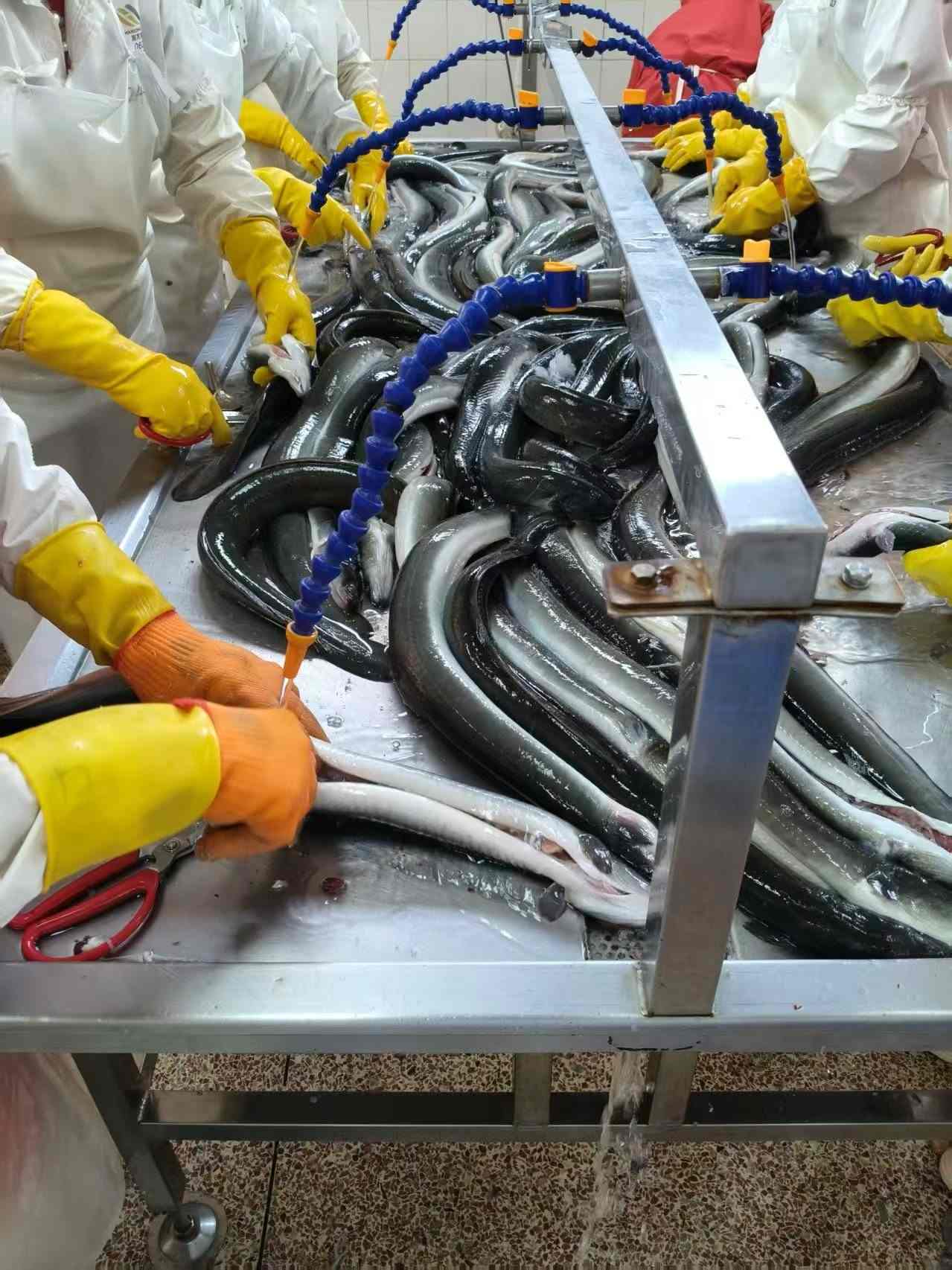
Producers with full-chain traceability — from certified farming bases through lab testing and metal-detection checkpoints — tend to deliver more consistent fat content and skin texture, both of which affect how well the eel absorbs a dashi-based tare during grilling. You can browse eel sauce and ready-made kabayaki options if you'd rather skip the stovetop step entirely, or look at how a eel farm traceability system works before choosing a supplier.
When Homemade Tare Makes Sense — and When It Doesn't
Cooking your own dashi-based sauce is worth the extra 20 minutes if you're grilling eel at home for a small dinner or want a sauce with more character for donburi bowls and sushi rolls. It's less practical for high-volume foodservice use, where batch consistency and shelf life matter more than the last 10% of flavor complexity — that's typically where pre-made tare with standardized quality control makes more sense. Either way, the base logic stays the same: dashi adds savory depth, sake adds aromatic lift, and a longer, gentler reduction is what turns a flat glaze into something closer to what's served at a real unagi counter.
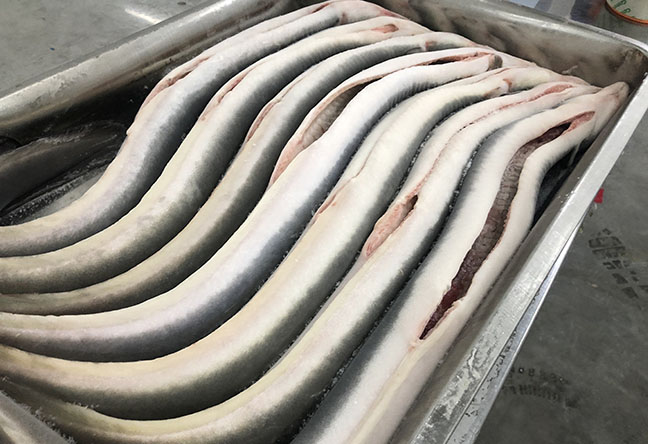
If you want ingredient inspiration beyond the sauce itself, our how to cook eel guide covers cleaning and grilling basics that pair well with this tare. Have a version of unagi tare that works for your kitchen? Share what ratio you use in the comments, or check our other eel recipe guides for more grilling and pairing ideas.